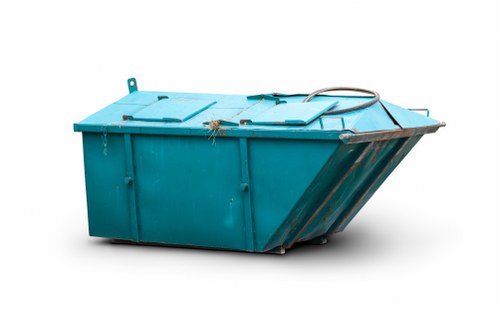
Health and Safety Policy — Skip Hire West Ham
This Health and Safety Policy sets out the responsibilities, arrangements and control measures for the skip hire, waste removal and rubbish collection services operated by our company. The document reflects a commitment to preventing injury, ill health and environmental harm from the activities associated with a professional skip company and related waste services. It is intended to be applied consistently across operational sites, collection routes and customer premises where our teams perform duties.All staff, contractors and temporary workers must familiarise themselves with this policy and the related safe systems of work. The policy applies to manual handling, vehicle operations, waste segregation, hazardous materials handling, site set-up, loading and unloading of containers, and any other activity associated with the provision of skip hire and rubbish removal services. The company will ensure that resources and training are provided to meet these commitments and that risk is managed to as low as reasonably practicable.
Scope and Legal Framework
This policy aligns with relevant health and safety obligations and good practice for the waste industry without reproducing statutory text. It covers the planning and execution of waste collection, skip placement, transportation, disposal and recycling. Responsibilities are described for management, supervisors, drivers and operatives involved in the skip hire and waste removal operations. All operations will be conducted in accordance with safe working standards and recognised industry codes of practice.Roles and Responsibilities
Management is responsible for ensuring adequate systems are in place, including risk assessments, safe work method statements, training programmes and supervision. Supervisors must monitor day-to-day compliance and ensure employees have the necessary instruction, information and equipment. Employees and contractors are required to follow procedures, report hazards, and participate in training and incident investigations. The allocation of duties is recorded centrally to ensure accountability and continuity across the skip hire and rubbish collection service area.Risk Assessment and Control Measures
Risk assessments shall be undertaken for all routine tasks, non-routine activities and any new operations. Controls will follow a hierarchy: elimination, substitution, engineering controls, administrative controls and personal protective equipment (PPE). Where mechanical aids, vehicle tail-lifts or specialist lifting attachments are used, these will be inspected and maintained to reduce manual handling risks. Specific controls for hazardous waste, sharps and asbestos suspect materials will be implemented and enforced. Training and Competence
Staff competence is essential to safe service delivery. Training programmes cover vehicle safety, secure loading, traffic management on public highways, site safety when positioning skips, segregation of recyclables and non-recyclables, and the safe handling of potentially hazardous items. Refresher training and practical assessments will be scheduled at regular intervals. Records of all training and qualifications will be maintained and reviewed as part of the company’s audit cycle.
Vehicle, Traffic and Site Safety
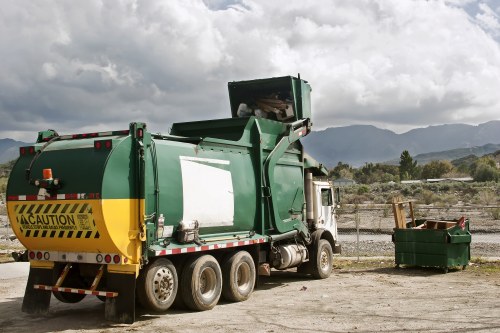
Operations involving refusal collection vehicles, skip lorries and support vehicles require robust traffic management plans. Drivers and banksmen must follow vehicle checks, load restraint procedures and safe reversing protocols. When placing skips on public carriageways or customer property, permits and safety signage must be used as required. Safe access and egress to the vehicle, correct use of vehicle restraints and secure stowage of loose items are mandatory. Inclement weather and reduced visibility conditions will trigger additional control measures.
- PPE: Hard hats, high-visibility clothing, gloves, safety footwear and eye protection as appropriate.
- Manual handling: Team lifts, mechanical aids, and restrictions on load weights to prevent musculoskeletal injury.
- Hazardous materials: Identification protocols, segregation and disposal in line with environmental safety standards.
- Site isolation: Barriers, cones and clear signage to protect the public and operatives.

Incident Reporting, Investigation and Review
All incidents, near misses and identified hazards must be reported promptly through the company’s incident reporting system. Investigations will identify root causes and corrective actions to prevent recurrence. Lessons learned will be communicated to staff and integrated into training and operational procedures. Periodic audits and performance reviews will measure compliance and effectiveness; the policy will be revised where necessary to reflect changes in operations, regulation or industry best practice.Monitoring and performance indicators will include: frequency of incidents, outcomes of risk assessments, completion of training programmes, vehicle maintenance records and safety inspection results. Management will review these indicators at defined intervals to ensure continual improvement. The company will also cooperate with regulatory inspectors and external auditors as required.
Conclusion — Commitment to Safety
The management of the skip hire and rubbish collection business is committed to providing a safe and healthy workplace for staff, contractors, customers and the public. This health and safety policy will be made available to all employees, displayed at operational depots and referenced in procurement and contractor selection. Everyone involved in the provision of skip hire, waste removal and related services is expected to support its implementation and to contribute to a culture of safety, compliance and responsible waste management.