Skip Hire in West Ham
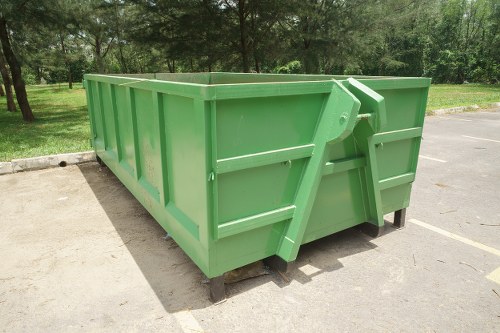
Skip hire in West Ham is a practical way to manage bulky rubbish, renovation debris and general clear-outs when a property, yard or workplace needs a simple collection plan. We provide skip hire for straightforward loading, with options that suit mixed waste streams that are accepted in standard skips. The service is arranged to help customers choose a sensible size, understand what can be loaded and keep the job moving without unnecessary disruption.
Our approach is built around clear waste control rather than guesswork. Different loads call for different capacities, and the right choice depends on the kind of material, how quickly it will build up and how much space is available for placement. The service can support domestic jobs, trade work and site clean-downs, with guidance on selecting between skip sizes, planning access and avoiding materials that require separate handling.
To get started, take a moment to gather the main waste type and rough volume, then compare the available options with your access and loading plans. If you already know the job will involve heavier materials or a mixed builder’s load, that can help narrow the choice before you request a quote. You can also use the pages on skip sizes and prices and what can go in a skip to prepare a more accurate enquiry.
Domestic skip hire for home projects
Domestic skip hire suits household jobs where waste is too bulky, too messy or too much to take away in ordinary bins. That often includes clear-outs, kitchen and bathroom strip-outs, old fittings, broken furniture and general household debris. A skip allows the waste to stay in one place while the work progresses, which can be more efficient than repeated trips to a tip or trying to sort materials into smaller loads.
The main decision is usually size. A smaller skip can be suitable for room-by-room decluttering or a modest refresh, while larger projects may need more capacity for timber, plasterboard, packaging and mixed items. If the waste is mostly light but bulky, space matters as much as weight. If it is dense and heavy, a careful estimate helps avoid overfilling or selecting a container that is not well suited to the job.
Choosing the right household option
When comparing domestic options, it helps to think about loading order as well as total volume. Furniture, boards and bagged waste may sit differently inside the skip, and a sensible arrangement can make the most of the space. For some jobs, a standard skip is the simplest answer; for others, a wait-and-load arrangement or a permit-based placement may be more practical. Use the enquiry stage to match the container to the job rather than forcing the waste into the first option you see.
Builders' waste and construction debris
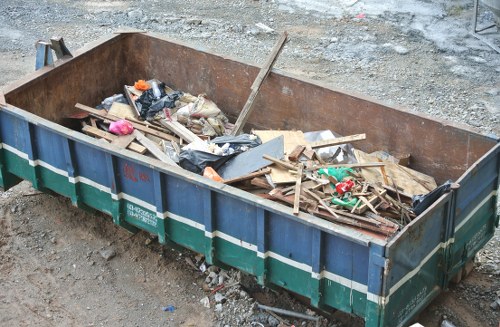
Builders’ waste often includes rubble, tiles, timber offcuts, packaging, metal and mixed demolition debris, so the collection method needs to cope with a varied and sometimes heavy load. Our builders skip hire supports renovation and construction work where waste is generated throughout the day and needs a reliable place to go. It is especially useful where material will be produced in stages and a tidy working area matters for progress.
For trade and construction customers, the main issue is not simply volume but the kind of waste being produced. Dense loads can change the usable capacity of a skip quickly, while lighter but bulky materials can fill space faster than expected. A good plan considers access, where the container will sit and whether the job needs a general mixed-waste solution or a more specific construction waste disposal approach. That helps keep the work moving without constant re-ordering or last-minute changes.
For larger jobs, it can be sensible to compare a builders' skip hire option with construction waste disposal and construction waste clearance. Those pages help set expectations for the kind of material involved and the practical differences between on-site containment and remove-as-you-go style work. If your project also involves a mixed site tidy-up, site clearance may be relevant where the waste spans more than one area.
Skip placement, access and permits
Where a skip can be placed has a real effect on how easy the job is to manage. Off-road placement in a driveway, yard or private forecourt is usually simplest, but not every property has that kind of space. If the container needs to sit on a public road or shared access area, a permit process may be necessary. The right arrangement depends on available room, local restrictions and how long the skip is likely to remain in position.
Access should also be checked before ordering. Narrow entrances, low branches, parked cars, tight turning space and soft ground can all influence the final setup. These are practical matters, not complications, and sorting them early prevents avoidable delay. A clear description of the space, together with the type of waste and the likely loading point, makes it easier to recommend an appropriate service and avoid selecting a container that will be awkward to position.
If you need more information before making a decision, review the dedicated pages on skip permits and skip hire permits. They can help you decide whether the placement is likely to stay on private ground or whether a permit-backed arrangement is more suitable. Once that is clear, you can request a quotation with a better idea of access, timing and container location.
Waste types, sorting and responsible disposal

Skip hire works best when the waste is broadly suitable for the container and the load is reasonably well understood. Some materials can usually be mixed, while others need separate handling or should not be put into a standard skip at all. Knowing the difference matters because it affects both practicality and the final disposal route. The aim is to keep the process simple without overlooking items that need special treatment.
Mixed household and construction waste often includes a combination of wood, plastics, broken fixtures, packaging and inert material. In many cases that is manageable, provided restricted items are kept out and the container is not overloaded. When waste is sorted sensibly at the point of disposal, recycling opportunities are easier to support and the load is easier to assess. That is why a concise checklist before ordering can save time later.
Useful references include what can go in a skip and recycling and sustainability. These pages are helpful if you need a reminder about common acceptable materials or want to think through what should be separated in advance. If your load contains items that need different handling, such as appliances or hazardous materials, the relevant specialist pages are there to help you judge whether a skip is the right option.
Commercial clearances and ongoing waste control
Commercial skip hire is suited to shops, offices, light industrial premises and managed sites that generate recurring or project-based waste. The service can help with refurbishments, strip-outs, stockroom clean-downs and periodic clearances where a one-off van load is not enough. It is also useful when a business needs waste removed in a tidy, predictable way while work continues around it.
For commercial customers, the important questions are often about continuity and segregation. Different departments or trades may create different waste streams, and it can be helpful to decide whether a single mixed container will work or whether separate waste handling is more suitable. The right choice depends on the type of material, the amount produced and whether access is shared with customers, staff or deliveries. Well-planned commercial disposal keeps the space usable and avoids the build-up of debris that can interfere with normal operations.
Related pages such as commercial skip hire, office clearance and house clearance can help you compare the kind of work involved before requesting a quote. If the project is mainly a one-off cleanout, those pages are a good place to narrow the scope. If the load is generated steadily over several stages, it may be better to discuss the sequence in advance so the collection plan matches the timetable.
How to plan a skip order
Planning a skip order does not need to be complicated, but it does benefit from a few practical details. A clear estimate of the main waste type, the rough amount and the likely loading period will usually make the quotation process smoother. If the job is part of a wider project, it is worth noting whether waste will arrive all at once or in waves, because that can influence size and placement decisions.
It also helps to think about preparation before the container arrives. A clear access route, space for doors or gates to open and a sensible place for loading all make the service easier to use. If the waste includes awkward items, check in advance whether they can be broken down safely or whether they should be listed separately. These small steps help the order fit the job and reduce the chance of needing a revised arrangement later.
If you are ready to move forward, use the information on pricing and quotes together with book online to prepare your enquiry. If you prefer to compare service details first, same-day skip hire and wait-and-load skip hire can be useful alternatives to review before choosing how you want the waste handled.
Household clear-outs and bulky items

Household clear-outs often produce a mixed load of furniture, bagged clutter, old fittings, cardboard and items that no longer serve a purpose. Skip hire gives a straightforward way to collect those materials together so the property can be cleared in stages without juggling multiple disposal methods. It is particularly useful where the waste is awkward to carry, too numerous for a normal vehicle or spread across several rooms.
For larger domestic clean-ups, the type of item matters as much as the quantity. Sofas, mattresses and appliances may require different handling from general waste, and it is sensible to check the relevant disposal route before loading. Sorting the material at source can make the process more efficient and help keep the load within the expected boundaries. It is also a good moment to decide whether some items should be kept for reuse, donation or separate collection.
The pages for mattress and sofa disposal, fridge and appliance removal and garage and loft clearance can support that planning. They are useful if the job includes a few bulky pieces alongside general rubbish, or if you need to understand which items are better handled apart from the main skip load. A thoughtful approach at this stage often makes the rest of the clearance easier.
Specialist waste streams and restricted materials
Some waste types need extra care because they are not suitable for ordinary mixed disposal. Hazardous, confidential or otherwise sensitive materials should be treated separately, and the correct route depends on the nature of the item rather than just the volume. This is where it pays to be exact about what is being cleared, because a general skip is not the right answer for every load.
Specialist handling is also useful when a project generates a waste stream that should stay separate from normal rubble or household debris. For example, records, contaminated items or certain substances may need a different collection approach, while heavy or awkward materials may be better dealt with through a dedicated removal service. A good quotation will reflect those distinctions instead of assuming every waste type can be treated the same way.
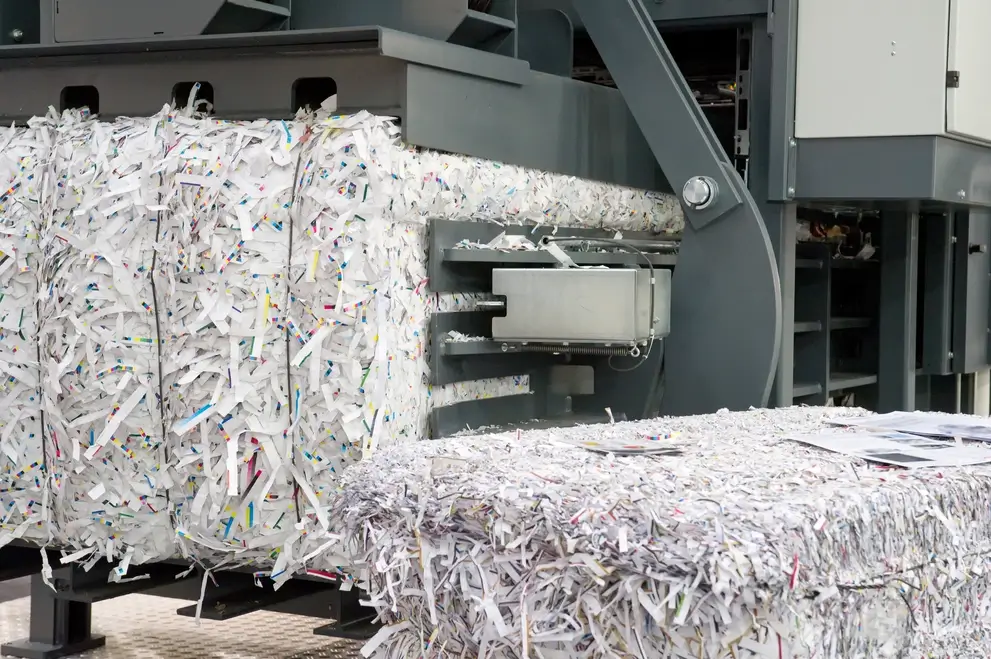
Further reading on hazardous waste disposal, confidential shredding and rubbish removal can help you decide whether a skip is suitable or whether another service is more appropriate. If you are dealing with items that fall outside ordinary mixed waste, it is worth checking the right route first so the collection plan remains compliant and practical.
About West Ham
West Ham is an area in east London, now associated with the London Borough of Newham, with roots that stretch back long before the modern borough boundary. The name reflects the old parish of West Ham, historically part of Essex, and its development was shaped by the growth of the Thames-side marshes, docks, industry and later municipal housing. The area sits within a wider urban landscape that changed quickly during the nineteenth and twentieth centuries as railways, factories and dock-related employment altered settlement patterns. Although much of the old industrial fabric has changed, traces of earlier eras remain in the street pattern, older civic buildings and the survival of local place names that hint at the area’s past. The district is also closely associated with Stratford and the wider Lower Lea Valley, where major transport routes and redevelopment projects have transformed former industrial land into a more mixed urban environment. Historic churches, community facilities and open spaces give the area a layered character, while the nearby river corridor and canal network reflect the working landscape that once defined much of east London. Today West Ham sits within a busy part of the capital, linked by rail, Underground and DLR connections, and it remains part of the broader story of east London’s reinvention from manufacturing and docklands into a densely used urban district with residential, commercial and leisure functions.
Builders skip hire for larger projects
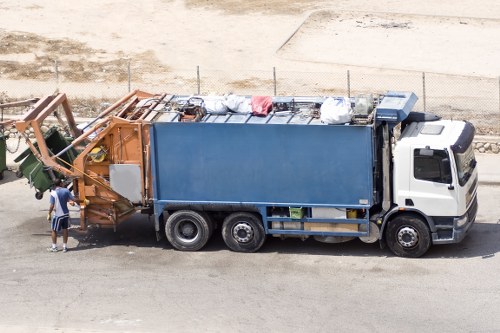
Builders skip hire is often the most convenient choice when a project generates repeated waste over several days or weeks. It works well for refurbishment, structural alteration, rip-out work and property improvement where debris appears in stages. The key is choosing a container that balances the expected waste volume against the available space and the kind of material being produced. That prevents the job from stalling because the waste has nowhere to go.
For larger projects, the main commercial decisions tend to be about waste composition, access and timing. If the work creates heavy rubble, timber, plasterboard and packaging together, the load may need a careful estimate so the skip is not underestimated. If access is limited, a different arrangement may be easier to manage. Some jobs are best handled with a standard skip; others benefit from a more specific service such as site clearance or grab hire, depending on what is being removed and how quickly it needs to leave the area.
To discuss your job, start with the waste type, access and preferred timescale, then compare the relevant service pages before requesting a quotation. If your project is broad enough to need an all-round removal plan, grab hire services and muck away services may also be worth reviewing. When you are ready, make an enquiry through contact us and ask for a quotation that matches the scale of the work.