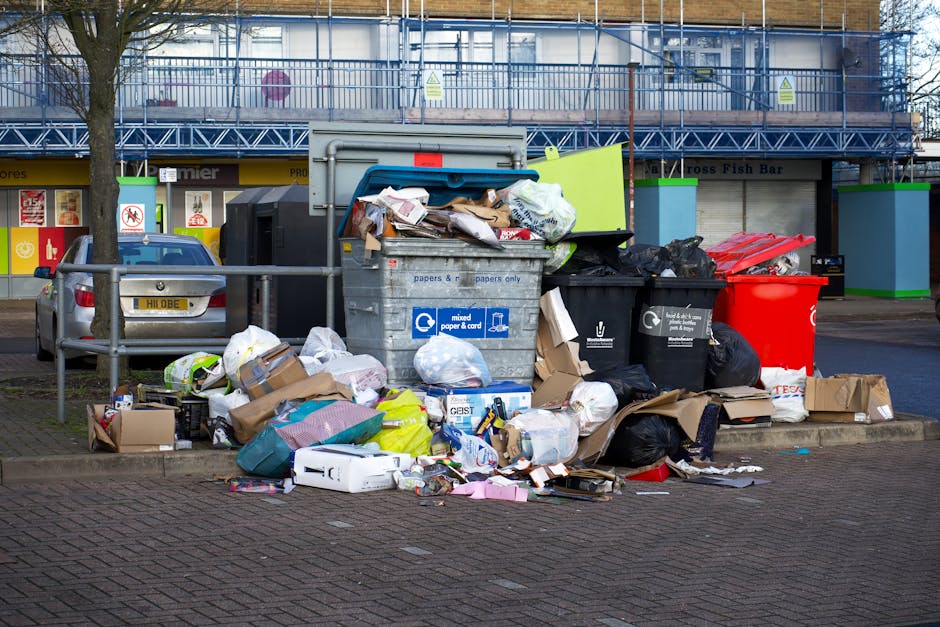
West Ham Park rubbish collection guide for residents
If you live near West Ham Park and rubbish is piling up faster than you expected, you are not alone. A clear, sensible West Ham Park rubbish collection guide for residents can save you time, reduce stress, and stop small waste problems turning into bigger ones. Whether you are clearing a flat, dealing with garden waste, or trying to shift old furniture without blocking the pavement, the right approach makes a big difference.
This guide walks through how rubbish collection typically works for residents, what options are worth considering, where people often go wrong, and how to choose a method that suits the job. It is practical, local-minded, and written for real life - because rubbish never appears at a convenient time, does it?
Why West Ham Park rubbish collection guide for residents Matters
Rubbish collection is one of those everyday tasks that only gets noticed when it becomes awkward. A broken chair starts living in the hallway. Bags of mixed waste sit in the kitchen. A clear-out turns into a pile of wood, packaging, old clothes, and bits of plasterboard that do not seem to belong anywhere. That is exactly why a good guide helps.
For residents around West Ham Park, the issue is usually not just volume. It is timing, access, and sorting. London streets can be tight, parking can be a faff, and not every type of waste is suitable for the same collection method. If you want the job done neatly, you need to know what you are dealing with before you start lifting.
There is also a practical side to this. Sorting waste properly can reduce unnecessary cost, make collection smoother, and support recycling where possible. In our experience, the people who plan for rubbish removal early tend to finish the job quicker and with less mess left behind. Sounds obvious, but it really does save a headache later.
For larger domestic projects, it can help to compare proper collection options with services like domestic skip hire or rubbish removal, especially when the waste is too much for a standard bag-up-and-go approach.
How West Ham Park rubbish collection guide for residents Works
At a basic level, residential rubbish collection works by matching the waste type to the right removal method. That sounds simple, but it is where many people get caught out. A single household clear-out can produce several waste streams at once: general rubbish, recyclable materials, bulky items, garden cuttings, electrical appliances, and sometimes restricted waste.
Here is the usual flow:
- Identify the waste - separate general household rubbish from bulky items, green waste, and anything potentially hazardous.
- Estimate the amount - a few bags is different from a full room clearance, and the collection method changes accordingly.
- Check access - think about stairs, front gardens, narrow entrances, and where a vehicle could safely stop.
- Choose the service - this might be a skip, wait-and-load, man and van, grab lorry, or a dedicated rubbish removal service.
- Prepare the waste - keep items accessible and separated where possible.
- Book and complete collection - confirm timing, placement, and any special instructions before the vehicle arrives.
For many households, the choice comes down to convenience versus flexibility. A skip is useful if you can load at your own pace. A grab hire or man-and-van option can be better when access is awkward or the waste needs lifting from inside the property. If you are unsure what fits your situation, pages like what can go in a skip and skip hire help clarify the basics.
And yes, the little details matter. One customer's "just a few bags" can become ten bags, two wardrobes, and an old mattress by Saturday afternoon. It happens.
Key Benefits and Practical Advantages
A well-planned rubbish collection setup is not just about tidiness. It gives you control. That is the real benefit.
- Less clutter at home - clearing waste quickly frees up living space, hallways, and outdoor areas.
- Safer movement around the property - fewer trip hazards, fewer blocked paths, and less chance of damage.
- Better sorting and recycling - separating waste early makes it easier to send suitable materials for recovery.
- Less stress during refurbishments or clear-outs - projects run more smoothly when waste is not left to pile up.
- More predictable cost - understanding the type and size of collection avoids last-minute surprises.
For residents who are renovating a kitchen, clearing a loft, or tackling an overgrown garden, the advantage is even clearer. You can avoid several small trips to disposal points and keep the whole job moving. If you are comparing collection methods, skip sizes and prices can be a useful starting point, while grab hire services may suit heavier or loose waste.
Another benefit that gets overlooked: peace of mind. It is easier to enjoy the rest of the day when the waste is gone and the place feels normal again. Simple, but true.
Who This Is For and When It Makes Sense
This guide is for residents, but that can mean a few different things in practice. You might be:
- clearing out a flat after a tenant move-out
- disposing of old furniture or white goods
- tidying a garden after a big weekend job
- removing rubbish from a garage, loft, or spare room
- managing waste from small DIY or decorating work
- handling bulky items after a house refresh
It also makes sense if you have waste that is too bulky for normal household bins, or if you simply do not want the stop-start hassle of loading a car and making multiple disposal trips. To be fair, few people do.
For heavier domestic jobs, the right service can depend on the material. Old bathroom rubble is not the same as sofa disposal. Wet soil behaves differently from packaging. Confidential papers need a different approach from garden cuttings. That is why it helps to think in categories, not just "rubbish".
If the job is more about moving bulky household items than mixed rubbish, pages such as house clearance, mattress and sofa disposal, or fridge and appliance removal may be a better fit than a broad general collection.
Step-by-Step Guidance
If you want the process to feel manageable, break it down. That is the trick.
- Walk through the property first. Make a quick list of everything you want removed. You will spot the awkward items early.
- Sort the waste into groups. General household rubbish, garden waste, bulky items, wood, metal, and anything hazardous should not all be thrown together.
- Decide what needs specialist handling. Items such as fridges, freezers, paints, chemicals, and some electricals may need extra care or separate removal.
- Check how much space you really have. If there is limited road access or no easy parking, a collection method that works from the kerb may be more practical than a skip.
- Choose the most suitable removal option. For ongoing loading, a skip can make sense. For quick lifting and clearing, a man-and-van or wait-and-load setup can be better.
- Prepare access before collection day. Move cars, unlock gates, and make sure the route is clear. One small obstruction can slow everything down.
- Confirm what is accepted. Always check item restrictions before you book. It avoids awkward phone calls later.
- Load or present the waste neatly. The tidier the pile, the smoother the collection. Even a rough order helps.
A useful short rule: if the waste can be separated in ten minutes, do it. That little effort often saves a lot more later.
And if you are still deciding between removal styles, wait and load skip hire is worth considering when there is no room for a skip to sit for long, while man and van works well for fast, labour-assisted clear-outs.
Expert Tips for Better Results
Here are the things that tend to make the biggest difference in the real world.
- Keep mixed waste to a minimum. A cleaner load is easier to handle and often easier to process.
- Flatten where sensible. Boxes, light packaging, and some soft items take up less room when compressed.
- Do not hide problem items at the bottom. If there is something restricted in the pile, deal with it up front.
- Measure bulky items before booking. A sofa that feels manageable in the room can be awkward at the kerb.
- Use the right service for the right waste. Garden waste, builders waste, and general household rubbish each have different needs.
- Think about recycling opportunities. Metal, clean wood, and cardboard may be better separated rather than tossed together.
One practical habit we recommend: photograph the waste pile before you arrange collection. It gives you a better sense of scale and helps avoid underestimating the job. Handy, and oddly reassuring.
If the waste is from renovation or building work, the right route may be more specialist. For example, builders waste removal, construction waste disposal, and builders skip hire are often better than standard domestic collection for heavier debris.
Common Mistakes to Avoid
Most collection problems come from a small number of avoidable mistakes. The good news? They are easy to sidestep once you know them.
- Guessing the volume. People often book too small a solution and then run out of room halfway through.
- Mixing prohibited items into the load. This can delay collection and create extra charges or compliance issues.
- Leaving access planning until the last minute. If a vehicle cannot reach the property easily, the whole job slows down.
- Ignoring weight. Heavy materials like soil, rubble, and tiles can change the picture completely.
- Assuming all rubbish is treated the same. It simply is not. Different waste types need different handling.
- Forgetting about neighbours and shared spaces. A tidy, considerate setup matters in residential streets.
A small but common slip: people fill a pile with "just bits and pieces," and suddenly it is a mixed load that needs sorting all over again. Waste has a funny way of multiplying once you stop looking. Not ideal.
If safety or secure disposal is a concern, look at options such as enclosed and lockable skip hire or confidential shredding for sensitive paperwork and documents.
Tools, Resources and Recommendations
You do not need fancy equipment to manage rubbish properly, but a few simple tools help a lot.
- Heavy-duty sacks or rubble bags for sorted small waste
- Gloves for sharp edges, dust, and general handling
- Trolley or sack barrow for moving heavier items safely
- Mask and dust protection when dealing with dusty loft or DIY waste
- Measuring tape for bulky items and access checks
- Camera on your phone to record the waste pile and loading area
Recommended service types will depend on the job:
- General household clear-out: rubbish removal or domestic skip hire
- Large mixed waste piles: grab lorry hire or grab hire services
- Quick clearance with no long parking space: wait and load skip hire
- Heavy outdoor waste or soil: garden waste removal or muck away services
For a broader overview of disposal planning and sustainability, recycling and sustainability is worth a read. It helps frame the bigger picture without making the process feel overcomplicated.
Law, Compliance, Standards, or Best Practice
Waste disposal in the UK is not something to take casually. Even for residents, there is a basic duty to make sure waste is handled responsibly and not passed to an unlicensed or unreliable carrier. That means you should always choose a provider or method that can explain what happens to the waste, where possible, and how it is processed.
For householders, the safest approach is simple: keep waste separated where you can, avoid mixing hazardous items into general rubbish, and use a legitimate service that handles disposal properly. If you are unsure whether something counts as hazardous or restricted, do not guess. Ask first. It is much easier than sorting out a mess later.
Best practice also includes:
- keeping records of what was removed if you are clearing a property
- being clear about who is responsible for loading and access
- checking any permit or placement needs if a skip has to go on or near the road
- separating electrical items, liquids, and sharp or contaminated waste
Permits and placement rules can vary by location and situation, so if roadside access is part of your plan, it is sensible to review skip hire permits and skip permits before booking. A bit of admin now saves a much bigger problem later.
For extra reassurance on operational standards, pages such as health and safety policy, insurance and safety, and terms and conditions can help you understand how a provider sets expectations and manages responsibilities.
Options, Methods, or Comparison Table
Different rubbish collection methods suit different homes and different kinds of waste. The best one is the one that matches your access, waste type, and how quickly you want the area cleared.
| Method | Best for | Main advantage | Possible drawback |
|---|---|---|---|
| Rubbish removal | General domestic clear-outs and bulky items | Simple and convenient | Less suited to very large volumes |
| Domestic skip hire | Projects where you can load waste over time | Flexible loading | Needs space for placement |
| Wait and load | Short, fast collection in limited access areas | No long-term skip placement | You need to be ready when the vehicle arrives |
| Grab hire | Loose, heavy, or bulky waste and larger piles | Fast removal of a lot at once | Access and positioning still matter |
| Man and van | Mixed rubbish and indoor clearance | Good for lifting from inside the property | May be less efficient for very heavy inert waste |
If you are dealing with loft clutter or a packed garage, the line between "rubbish removal" and "clearance service" gets blurry very quickly. That is normal. A service like garage and loft clearance can be more useful than a general collection when access is awkward and the items are piled up in layers.
Case Study or Real-World Example
A fairly typical local scenario goes like this. A family in a terrace near West Ham Park decides to clear the back room, garden shed, and one corner of the loft before a small renovation. At first, they think it will be four or five sacks. Then they find broken shelving, a rusty exercise bike, old flooring offcuts, and a fridge that has quietly been sitting there for far too long. Classic.
Rather than trying to push everything into the car over several days, they sort the waste into three groups: general household items, bulky items, and items that need separate handling. After checking access to the property, they choose a mixed approach: general rubbish removal for the loose stuff, a separate appliance removal for the fridge, and a quick collection method for the heavier bits. The job is done in one afternoon instead of dragging into the next week.
The key lesson is not that one service fits every job. It is that the waste should guide the method, not the other way round. Once the pile is clearly understood, the rest gets much easier.
Practical Checklist
Use this before booking any rubbish collection around West Ham Park:
- Have I separated general waste, bulky items, and anything hazardous?
- Do I know roughly how much waste there is?
- Is there enough access for the vehicle or collection team?
- Do I need a skip, wait-and-load, man-and-van, or grab hire approach?
- Are there any electricals, fridges, mattresses, or confidential documents mixed in?
- Do I need a permit or special placement for roadside collection?
- Have I checked what can and cannot go into the chosen collection method?
- Is the route to the waste pile clear and safe?
- Have I compared costs and convenience before I book?
- Am I clear on timing, loading responsibility, and collection expectations?
Small checklist, big payoff. It really is that simple.
Get a free quote today and see how much you can save.
Conclusion
The best West Ham Park rubbish collection guide for residents is the one that helps you act confidently, not guess your way through a messy job. Once you understand what kind of waste you have, how much of it there is, and what kind of access you are working with, the rest becomes far more manageable. No drama, just a cleaner result.
Whether you need a quick household clearance, help with bulky items, or a more structured disposal plan for renovation waste, choosing the right method will save time and reduce hassle. And that is usually what everyone wants at the end of the day: less clutter, less stress, and a home that feels easier to live in.
If you are still weighing up options, take one calm look at the waste, one practical look at the access, and then choose the method that fits. It is rarely as complicated as it first feels.
Frequently Asked Questions
What is the best rubbish collection option for residents near West Ham Park?
The best option depends on the type and amount of waste. Small to medium household clear-outs often suit rubbish removal or man-and-van services, while bigger jobs may work better with skip hire or grab hire.
Do I need a skip permit for residential rubbish collection?
Not always. You usually only need to think about permits if a skip will be placed on public land or road space. If the skip stays fully on private property, a permit may not be required, but it is wise to check before booking.
Can I throw a fridge or freezer into general rubbish collection?
Usually not as standard mixed waste. Appliances often need separate handling, so it is better to use a dedicated appliance removal service rather than risk a failed collection or extra charges.
Is wait and load better than skip hire for tight streets?
It can be. If there is nowhere safe to leave a skip, wait and load is often a practical choice because the vehicle collects the waste quickly without staying on site for long.
How do I know whether I need rubbish removal or a skip?
If you want waste gone quickly and do not want to load a container over time, rubbish removal is often easier. If you are clearing at your own pace and have space for placement, skip hire may suit you better.
What should I do with garden waste from a big tidy-up?
Keep green waste separate where possible. Branches, grass cuttings, hedge trimmings, and soil may need different handling. A dedicated garden waste service is often the neatest route.
Can I mix DIY rubble with household rubbish?
You can in some cases, but it is not always the smartest move. Heavy rubble, plasterboard, wood, and general rubbish can affect how the load is treated, so it is better to check before mixing materials.
What items are usually not accepted in standard rubbish collection?
Hazardous materials, liquids, some chemicals, and certain electrical or specialist items may be restricted. If you are unsure about a particular item, it is best to ask before collection day.
How can I make collection day go more smoothly?
Sort the waste early, clear access routes, move parked cars if needed, and keep the pile tidy. The less the team has to untangle on arrival, the quicker the job tends to go.
What if I have confidential papers or sensitive files?
Do not mix them into general rubbish. Use a confidential shredding service so the documents are handled securely and appropriately.
Is it cheaper to do it myself instead of booking a service?
Sometimes, but not always. Once you factor in fuel, time, lifting, parking, and disposal trips, a professional collection can be better value than it first appears. For bigger jobs, convenience often tips the balance.
Where can I compare waste collection and pricing options?
A good place to start is pricing and quotes, along with skip sizes and prices. Those pages help you think through cost, size, and the kind of service that fits your waste.
Who can I contact if I need help choosing the right service?
If you want guidance before booking, the team at contact us can help point you in the right direction. If you prefer to understand the company first, about us gives a bit more background on how they work.